
the introduction
A microphone is an essential tool in mosques, ensuring that sound reaches worshippers clearly in various areas within the mosque. Whether during prayer, sermons, or lessons, a good microphone is essential for enhancing the audio interaction experience. In this article, we'll explore the importance of choosing the right microphone for your mosque, the ideal types, and how to ensure optimal audio performance to suit your mosque's requirements.
The importance of the microphone in the mosque
1. Sound clarity for all worshippers
The microphone helps transmit sound clearly to all worshippers inside the mosque, even in remote or difficult-to-reach areas. Whether during prayer or the sermon, the microphone ensures that the sound reaches everyone without distortion or distortion.
2. Improve sound quality in large spaces
Mosques often have large spaces that require effective sound systems to ensure sound reaches even the most distant corners. A good microphone provides full coverage, ensuring that the sound is delivered clearly and without delay.
3. Facilitating interaction in lessons and lectures
In science classes or religious lectures, a microphone helps make the sound clearer for students and worshippers, facilitating interaction and improving the educational process.
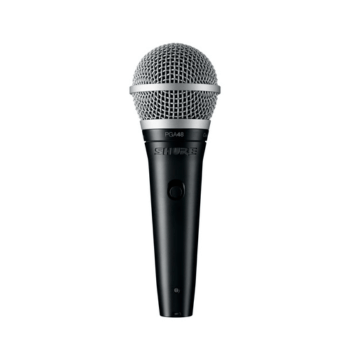
Shure PGA48-QTR Wired Microphone
Types of microphones suitable for mosques
1. Dynamic microphones
Dynamic microphones are the most popular choice for mosques, as they can withstand loud noises without compromising sound quality. They are ideal for use in mosques that require powerful, continuous loudspeakers.
2. Wireless microphones
Wireless microphones allow the preacher or imam freedom of movement during a sermon or lesson. These types of microphones also offer ease of use without the need for wires to confuse movement.
3. Lavalier microphones (adhesive)
Lavalier microphones are used in mosques to attach the microphone to the clothing of the imam or preacher. They are ideal for providing good sound quality with great freedom of movement during the sermon or prayer.
4. Condenser microphones
Condenser microphones may be suitable for small mosques or private spaces such as classrooms, as they provide high-quality audio performance and accurate sound pickup from all directions.
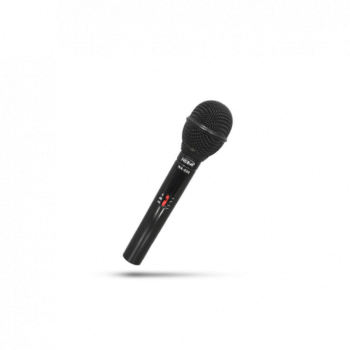
Professional Wired Microphone 535 Black
Technical features to look for in a mosque microphone
1. Polar Pattern
Microphones that use a unidirectional (cardioid) pickup pattern are best suited for mosques, as they pick up sound from the front only and reduce background noise.
2. Sound quality and clarity
The microphone should provide clear, crisp sound, with a low level of distortion and noise, to ensure that the message is clearly heard by the congregation.
3. Endurance and durability
Since microphones are used constantly in a variety of environments, they must be designed to be durable, with the ability to withstand repeated use for extended periods.
4. Frequency range
Microphones with a wide frequency range are best suited for mosques to ensure accurate sound capture and complete clarity of all sounds, from sermons to the call to prayer.
Uses of microphones in mosques
1. Daily call to prayer and sermons
Microphones are essential to clearly announce the call to prayer to all worshippers, as well as to ensure that daily sermons are heard by people in the mosque.
2. Congregational prayers
Microphones help the imam lead the congregational prayer by ensuring clear audio from the worshippers behind him.
3. Science lessons and religious lectures
In mosques that offer religious lessons or lectures, a microphone is an essential tool to enable students to hear the lecture well.
4. Special religious occasions
On occasions such as Ramadan, Eid, or public dhikr, microphones are used to provide clear audio for worshippers when performing hymns or communal supplications.
Tips for choosing the right microphone for your mosque
- Ensure adequate audio coverage:
- Choose a microphone that provides full coverage of the entire space inside the mosque, whether in the front or back.
- Choosing a wireless microphone:
- Wireless microphones provide freedom of movement for the imam or preacher and ensure that there is no interference from wires.
- Check the sound quality:
- It is important to choose a microphone that provides clear, crisp sound without any distortion or background noise.
- Searching for durability:
- Due to constant use in religious environments, the microphone must be durable and withstand long-term use.
- Check compatibility with the audio system:
- Make sure the microphone is compatible with the rest of the mosque's audio equipment, such as speakers and amplifiers.
Best Microphones for Mosques
- Shure BLX24/SM58 Wireless Microphone System:
- This wireless system provides great sound and gives the imam or preacher freedom of movement while delivering the sermon or lesson.
- Audio-Technica ATW-1102 Wireless System:
- It is a reliable choice for use in mosques thanks to its excellent sound quality and durable design.
- AKG C3000B:
- A condenser microphone suitable for small mosques or teaching rooms, featuring high sound quality and accurate voice capture.
- Sennheiser EW 100 G4-835-S:
- It is an ideal wireless system for mosques, providing clear sound with a wide frequency range.
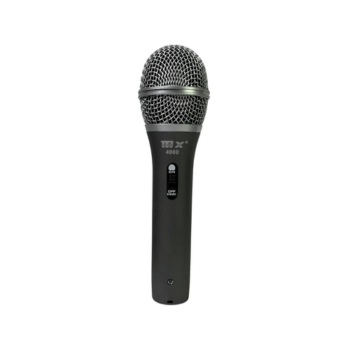
Professional Handheld Wired High Quality Dynamic Microphone
conclusion
A microphone is an essential tool for ensuring clear audio in mosques, whether for prayers, sermons, or religious lessons. By choosing the right microphone, you can improve sound quality and ensure the voice reaches worshippers clearly. Visit our online store to discover a range of microphones ideal for mosques to ensure the best audio experience.
Suggested topics for other articles:
- The Best Sound Systems for Mosques: A Complete Guide to Improving Your Sound Experience.
- How to install sound systems in mosques to ensure high quality.
- Wireless vs. Wired Microphones: Which is Best for Mosques?
- Best Mosque Speakers: Multiple options for effective sound coverage.
- How to choose the best sound systems for large religious events.