

introduction
Wireless microphones have become essential for professionals in singing, live streaming, conferences, and live performances. These microphones offer freedom of movement and high-quality sound without the need for annoying cables. Whether you're an artist, lecturer, or even a content creator, choosing the right wireless microphone will deliver professional audio performance.
In this guide, we'll review the best wireless microphones on the market, with a detailed comparison of their features and top tips for choosing the right one for you.
JDS M_6700 Wireless Microphone
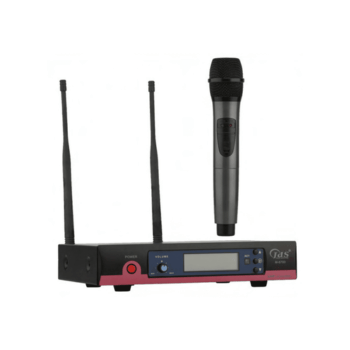
Why do you need a wireless microphone?
✔ FREEDOM OF MOVEMENT – No more tangling with cables.
✔ Pure sound quality – Advanced noise and interference isolation technologies.
✔ Wide operating range – some systems reach up to 100 meters .
✔ Long battery life – up to 16 hours of uninterrupted playback.
✔ Easy to connect – quick setup with no hassle.
✔ Professional design – suitable for live shows, broadcasts, and lectures.
How to Choose the Best Wireless Microphone
🔹 Frequency range – Make sure to choose a frequency range that is free from interference.
🔹 Battery life – Some models provide more than 15 hours of playback.
🔹 Wireless Range – Choose a microphone that covers the area required for your use.
🔹 Quality noise isolation – especially if you work in busy or noisy environments.
🔹 Number of channels – If you need more than one microphone, choose a multi-channel system.
🔹 Easy Plug and Play – Setup should be quick and easy to use.
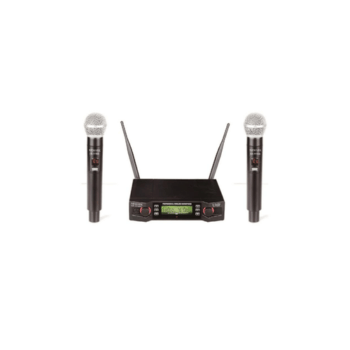
Wireless Handheld Microphone System 100m Range FM Technology Exceptional Sound Performance NR-555-HH
Related blogs
1- Get clear and pure sound in the mosque with the best professional microphones.
2- The best wired microphone for clear and professional sound
a summary
Whether you're looking for a wireless microphone for live performances, conferences, or digital content , the available options offer solutions to suit all needs and budgets. Make sure you choose the right microphone for you based on sound quality, operating range, and intended use.