

the introduction
A microphone is an indispensable tool when it comes to converting audio into a digital signal that can be transmitted or recorded. Whether you're recording a podcast, making video calls, or performing live, a good microphone is key to ensuring clear, professional audio. In this article, we'll explore the importance of a microphone, its types, and how to choose one based on your specific needs.
The importance of the microphone
1. Record audio accurately
A microphone is the device that captures sound and converts it into an electrical signal. Its importance lies in providing accurate and clear audio during recording or broadcasting, enhancing the quality of audio content, whether in podcasts or live performances.
2. Improve call sound quality
If you rely on voice or video calls for work or remote learning, a good microphone will greatly improve your audio quality, making communication clearer and more professional.
3. Sound effects in live performances
In stage performances or concerts, a microphone is an essential tool for ensuring that the sound reaches the audience in the best possible way, helping to create a distinctive audio experience.
4. Impact on sound in studios
In recording or broadcasting studios, the microphone plays a huge role in ensuring accurate sound capture, which directly impacts the quality of the final production.
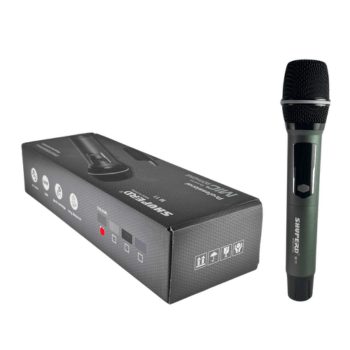
Professional wireless handheld microphone with advanced digital technology
Types of microphones
1. Dynamic microphones
Dynamic microphones are the ideal choice for activities that require high durability, such as live performances or concerts. These microphones are capable of handling high volume levels without distorting the sound.
2. Condenser microphones
Condenser microphones are best for recording audio in studios, offering high fidelity in capturing subtle vocal details. These microphones are ideal for podcasting, music recordings, or any application that requires exceptional sound quality.
3. Lavalier microphones (sticky)
These small, clothing-worn microphones are commonly used for live performances or video recording, providing freedom of movement while maintaining good sound quality.
4. Ribbon microphones
Ribbon microphones are typically used in applications that require accurate sound capture over a wide range. They are ideal for music studios or vocal recordings.
Technical features to look for in a microphone
1. Polar Pattern
Patterns vary between cardioid, which captures sound from the front only, and omnidirectional, which captures sound from all directions. The choice of pattern depends on whether you want to focus sound from a specific direction or from all angles.
2. Microphone sensitivity
Microphone sensitivity determines how well a microphone can pick up quiet sounds. The higher the sensitivity, the more detail the microphone can capture, which is especially important for podcasts or delicate audio recordings.
3. Signal-to-noise ratio (SNR)
Signal-to-noise ratio is an important measure of microphone quality. The higher the ratio, the clearer and more detailed the sound will be without being distorted by background noise.
4. Frequency range
A microphone's frequency range determines the range of frequencies it can capture. It's best to choose a microphone with a wide frequency range to ensure accurate capture of all sounds.
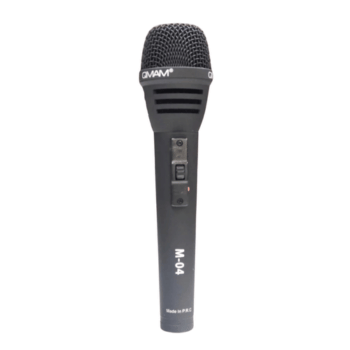
Sensitive dynamic pickup with 5m cable
Uses
microphone
1. Podcasts and audio recordings
A microphone is an essential tool in podcasting, providing clear and accurate audio. Many content creators rely on condenser or dynamic microphones to achieve the best possible audio quality.
2. Live and theatrical performances
In plays and live performances, microphones are an essential tool for ensuring that sound reaches the audience clearly. Dynamic or lavalier microphones can be used for these types of performances.
3. Distance education
In distance learning or online meetings, a good microphone is vital for clear communication. Wireless or condenser microphones are preferred for high-quality audio while speaking.
4. Audio recording of music
Condenser microphones are the ideal choice for musicians recording in studios. These microphones offer high fidelity and clarity in capturing subtle sounds.
Tips for choosing the right microphone
- Determine the use: Think about how you will use the microphone. Will you use it for live performances, recording audio in a studio, or video calls?
- Budget: Microphone prices vary greatly, so choose a microphone that fits your budget and gives you the best value for your money.
- The right type: Choose the type that best suits your needs between dynamic, condenser, or lavalier based on the application.
- Compatibility with other devices: Make sure the microphone is compatible with the computer or other audio equipment you are using.
- Adding accessories: You may need to purchase accessories such as a microphone stand or audio filters to get the best experience.
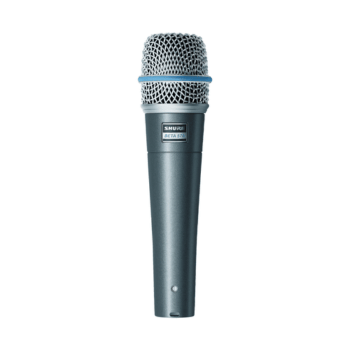
Best Microphones
- Shure SM7B: One of the best dynamic microphones for podcasting and voice recording, it delivers clear, crisp sound.
- Audio-Technica AT2020: A condenser microphone that delivers accurate sound with a wide frequency range, making it the perfect choice for music and podcasting.
- Rode Wireless GO: A wireless lavalier microphone, ideal for use in live performances or during outdoor recordings.
- Blue Yeti: Multi-pattern condenser microphone, ideal for podcasting, voice recordings, and video calls.
conclusion
A microphone is an essential tool for ensuring high-quality, clear audio, whether you're working in a recording studio, delivering online content, or giving live performances. Choose the microphone that meets your technical needs and provides the best audio experience.
Visit our online store to discover a wide range of microphones that guarantee you a professional audio experience.
Suggested topics for other articles:
- Best microphones for podcasting: comparing the options.
- How to improve sound quality in live performances using microphones.
- Wireless vs. Wired Microphones: Which is Best for You?
- Best microphones for recording audio for music.
- How to use a microphone in distance learning to improve audio.